
Do you ever want to make something new, but you’re not sure where to start? Or do you ever find yourself scrolling social media and seeing all these cute patterns that you wish you could make? Pattern testing is a good way to try new things.
What is pattern testing?
When a designer makes a pattern, they might make a sample size, likely something in their own size that they can wear or try on. From there, they might adjust the pattern to a variety of other sizes, called grading. But how do they know that all those dimensions and sizes are going to work? That’s where pattern testers can help. A designer might put out a call for pattern testers on their social media or email lists. Interested individuals can sign up, usually indicating what size they’d like to test. The designer offers the pattern to those people for free, in return for them making the designated size within a certain time frame. Usually part of the tradeoff is social media marketing with hashtags, tagged images, etc. The designer has someone to help make sure the pattern works, and the tester has a finished garment at the end.
I started pattern testing in 2020 when I was looking to pick up more hobbies during Covid. I’d been knitting and crocheting for a long time, since my grandmother taught me as a child, but I’d only made a couple of wearable garments. I started following a bunch of knitters and crocheters on Instagram, and that’s how I found out about pattern testing. I applied to test my first pattern, and from there I was off to the races.
I quickly learned a lot about myself and the process. As with most things I get interested in, I dove in head first, and immersed myself in these new projects. I was challenging myself with new patterns and designs I’d never tried before, and getting the satisfaction of a completed project. I started a new Instagram account just for my knitting and crochet projects, and I was surprised to find that I was selected for a number of tests right from the start!
I realized that yes, I was building a little bit of experience to lead to more tests, but also there were fewer plus-sized testers applying. So of course I was selected for a lot if I was one of the few applying for that size.
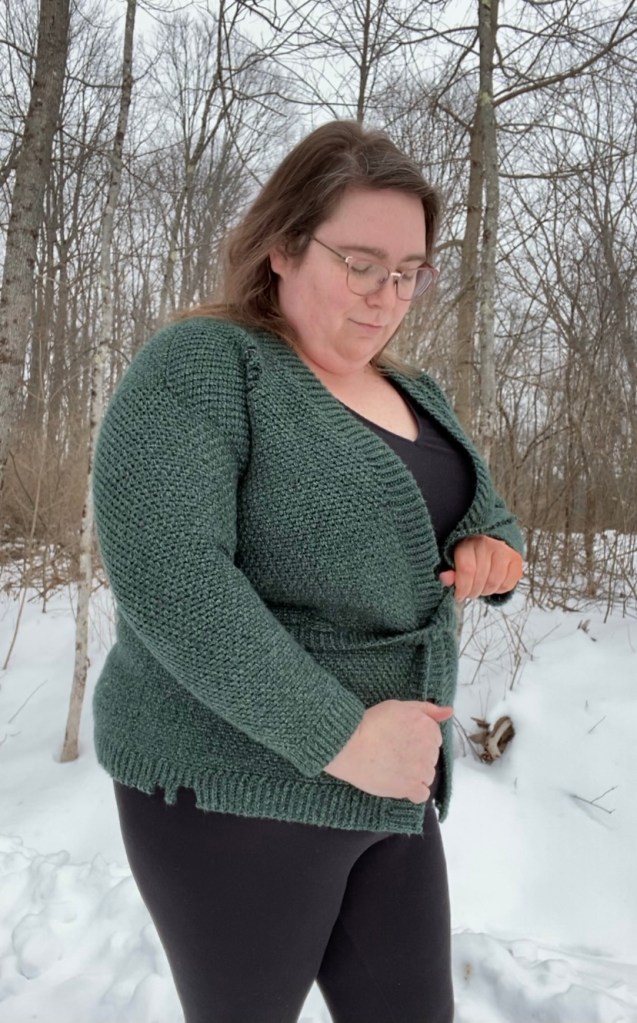
But there were a few important lessons I learned that I’m sharing now, partly to remind myself occasionally, and partly to share tips for those of you who may be interested in trying it out.
Lessons Learned
1. Gauge is important, even if you don’t think you have time to do it.
My first couple of wearable items, I didn’t make a gauge swatch. I also didn’t take proper measurements of myself to know what size would actually be best for me. Whoops. I was left with a couple items that didn’t fix exactly the way I wanted. I was lucky that they even fit at all!
I’m a lot more comfortable with my tension now. Particularly crochet, I know that I have a tighter tension, so it’s best to start a hook size up from what’s recommended. Using that for my starting point, I can make adjustments from there to meet gauge.
I’m also more comfortable with understanding fits. A pattern will talk about positive or negative ease to the garment, relative to your bust measurement. As someone with a larger bust, I don’t always want things to just hang off me. If the garment is recommended to have a lot of positive ease (meaning it’s much looser than the bust measurement), then I might go down a size from that so that it’s not quite as large on the rest of my body. If an item has negative ease (smaller than your measurement, but stretches to fit), or if I seem to be between sizes, I may size up so that it doesn’t end up being too tight.
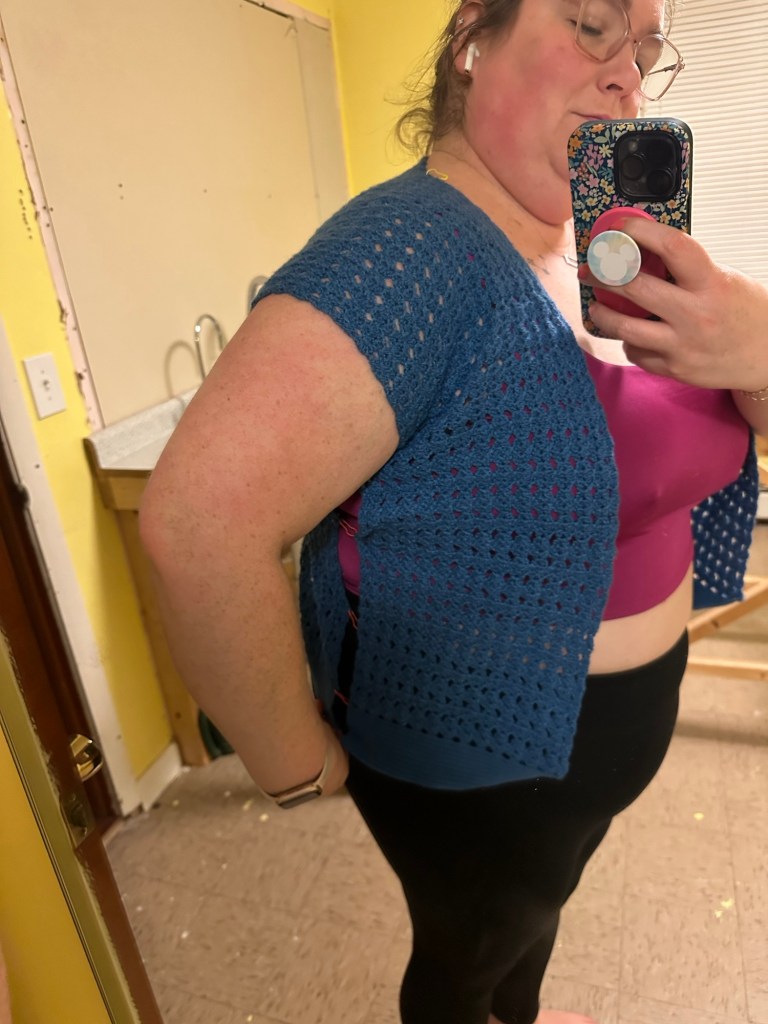
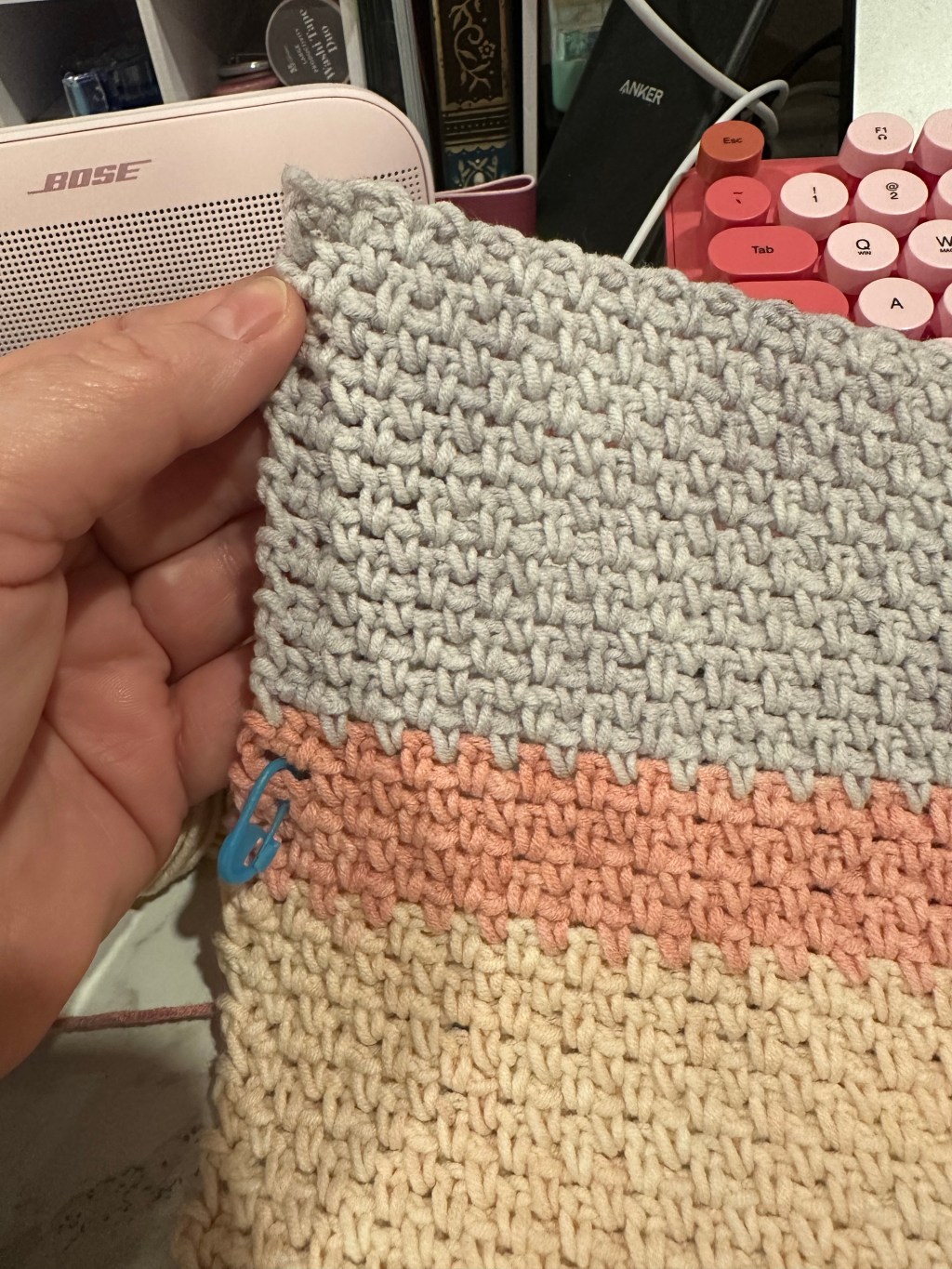
This one didn’t quite fit as expected. When I checked my gauge, I was way off from when I started. Don’t forget to check as you’re working, too!
2. Verify the test expectations prior to applying.
Most tests will lay out the expectations right from the application process. This will likely include the feedback they’d like to know, how to communicate any issues, how they’d like you to share the results, and the timeline of the test. That last one is important. You may think you can complete that project within the deadline, and you might be right! But life can also get in the way of hobbies. Make sure you truly feel comfortable with whatever the deadline is. Take some time to break it down if you’re able to, so that you know how far along you’d have to be each week in order to complete on time.
One problem I often ran into is if I was doing multiple tests at once, managing my time would sometimes get difficult, so I’d have to focus on one over the other. Another time, I ran out of yarn (the recommended quantities on the pattern were short), and I wasn’t able to get another single skein from anywhere to complete it. I had to turn my feedback in as incomplete based on how far I’d gotten. But the BIGGEST timeline issue that I find is that the deadlines simply aren’t long enough, particularly for a plus size item. Consider this: the current pattern I’m making is graded for sizes A-L. That’s 12 different sizes that are offered – which is excellent for inclusivity! But the designer’s sample was a size C, for a garment measuring 36.75″ circumference. I am making size K, which is 56.25″. That extra 19.5″, throughout the entire length of the garment, means that it’s likely going to take a lot longer for me to make my size versus that size C. Completely understandable…except when the deadline is based on how quickly that designer thinks it can be done based on their sample size, or their need for a quick turnaround. If a wearable garment is asked to be completed within only a few weeks, I know that I will have to work extra hard to meet that deadline. That’s probably not a test I’m willing to take on. (Side note: kudos to the designer of the pattern I’m currently working on. The test period runs April-August!)
3. Provide honest feedback. Even if it’s not pretty.
I don’t mean this to say that you want to be mean. Be constructive with your feedback, but let them know any issues so that they can clarify before the pattern is released. This may mean that there need to be some adjustments made, or that there’s some editing that needs to happen. But if they don’t know, then they might be putting a design out into the world that isn’t going to give their customers the best results, which could also hinder their future sales.
It may mean something as simple as wishing that the timeline was longer for the test period, or that your yardage varied from their estimate. It may mean that you had to make an adjustment to the pattern for a better fit. That could be helpful for them to include so that they can offer better customization. Or it may mean that they need to go back to the drawing board before this pattern is released.
I’ll be honest, I have tested a few patterns that just were not good. There have even been designers that I was excited to work with based on seeing their past designs, that by the end I just lost hope that this was someone who’s patterns I’d buy in the future. Particularly for plus sizes, designers don’t always get the fits right if they’re a smaller size themselves. Extended sizes doesn’t always mean just adding more stitches/rows/fabric. Sometimes the design itself has to be adjusted to accommodate a larger body shape.
A couple of examples I encountered really proved this point. A top with a granny square styling added more rounds of the squares for a bigger size. When I connected the pieces together, it didn’t give me a fitted look like the design. Instead the middle of each square was bunching out a little. What I needed instead of more rounds of the square was just simply more squares! Smaller sized squares like the original pattern, but laid out in a different way, would’ve given me a much better fit. For another test, the front of the top increased from the shoulders to the bust. The designer didn’t accommodate for the fact that if the bust had to be larger, that meant I had to increase at a faster rate. Instead I was increasing at the same rate, but over more rows, to a point that the neckline and armpit was actually hanging below the midpoint of my bust. I stopped the work right there, and provided the feedback to the designer. Based on the turnaround of this one, I told her that I could not continue on with this pattern as it was written, because it wouldn’t work for my bust size. I would’ve been happy to make adjustments and help her with re-grading the pattern, but by that point I was also frustrated that something I’d spent a fair amount of time on was just going to waste.

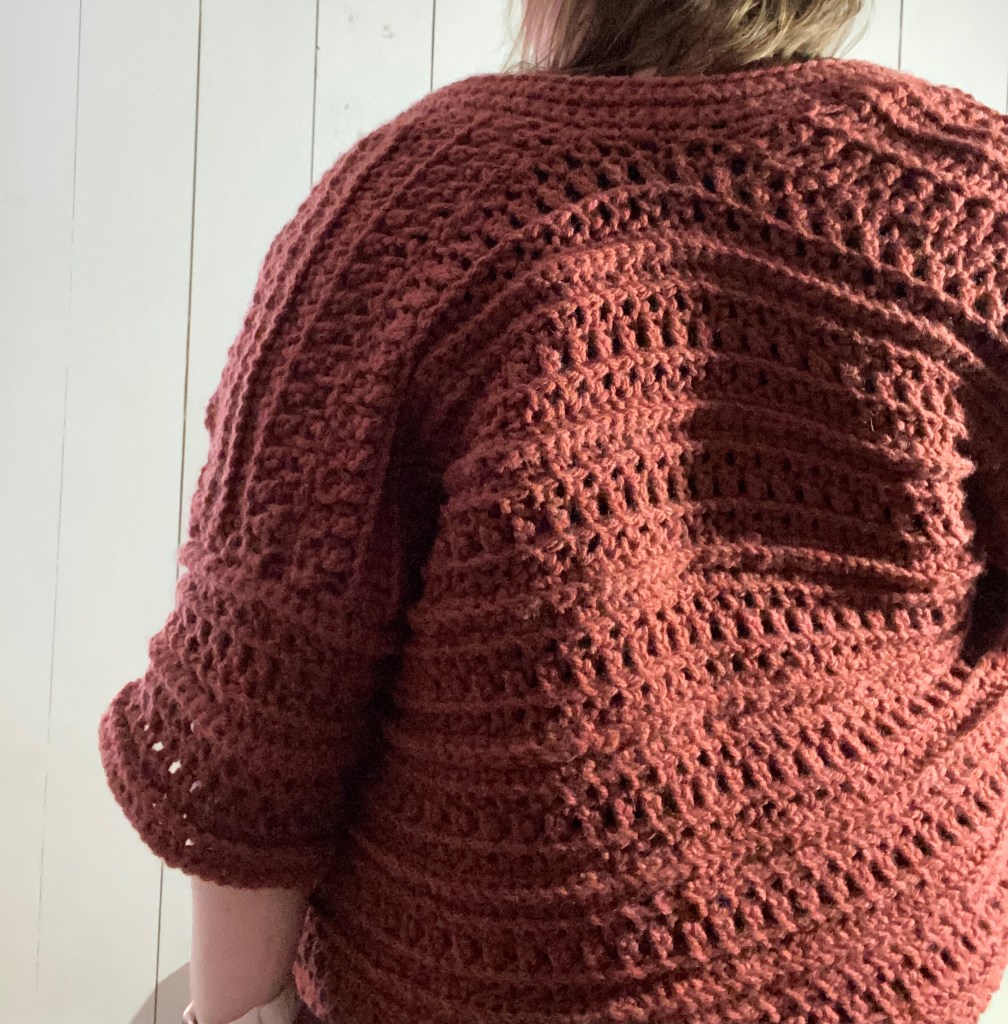
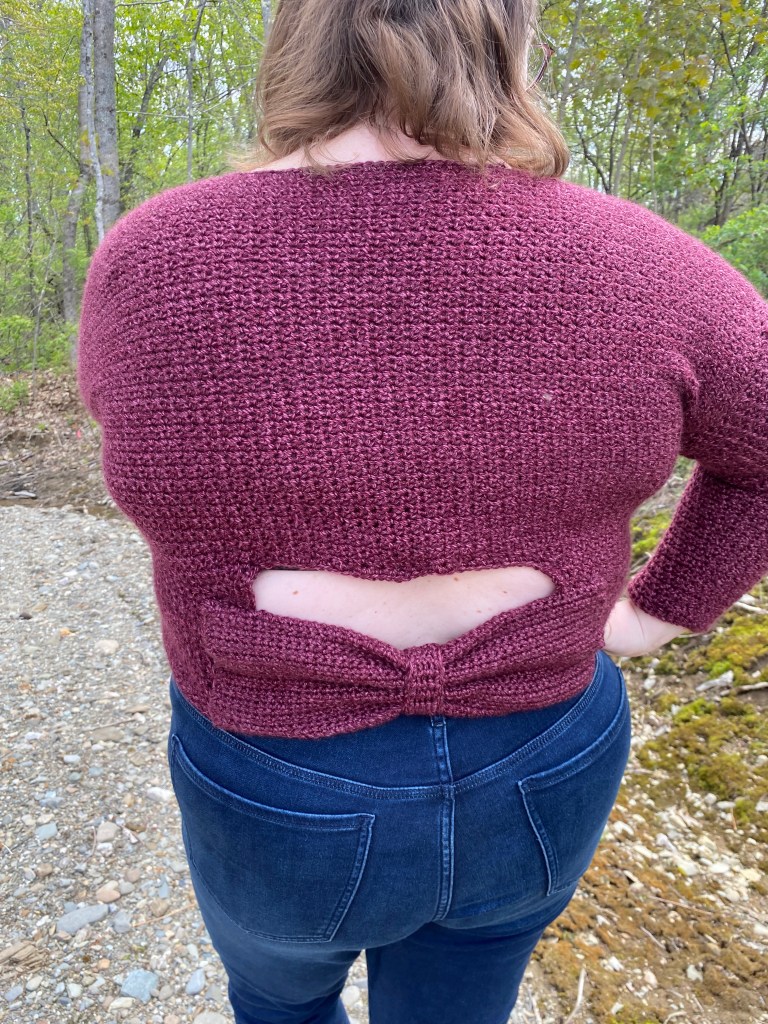
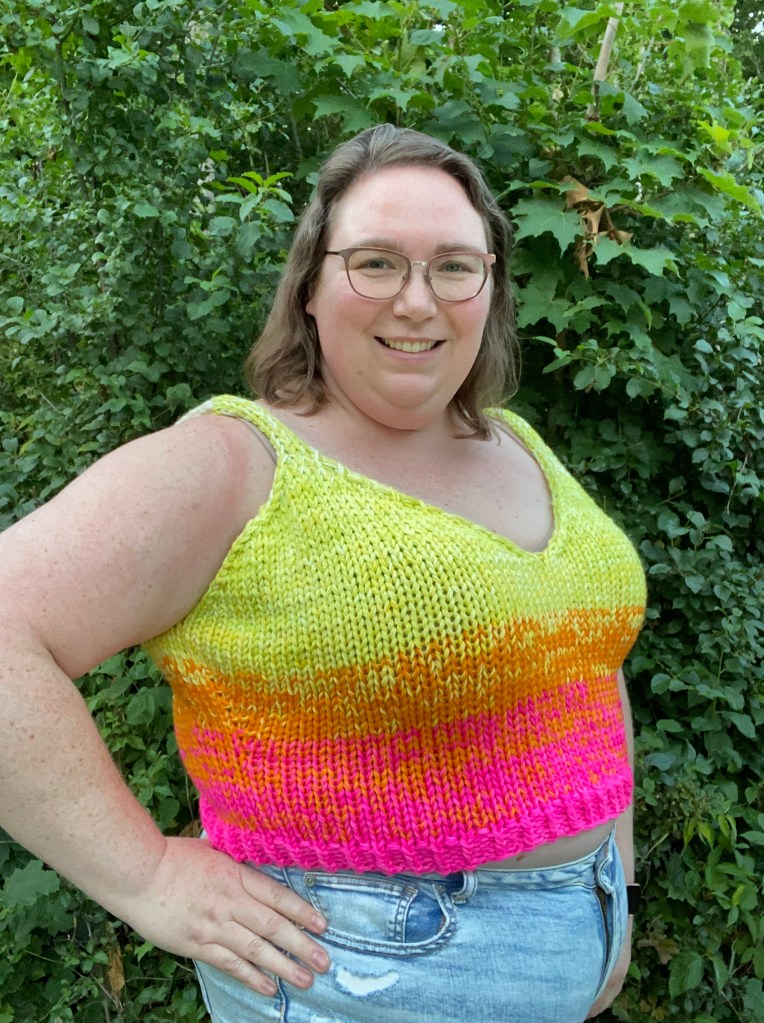
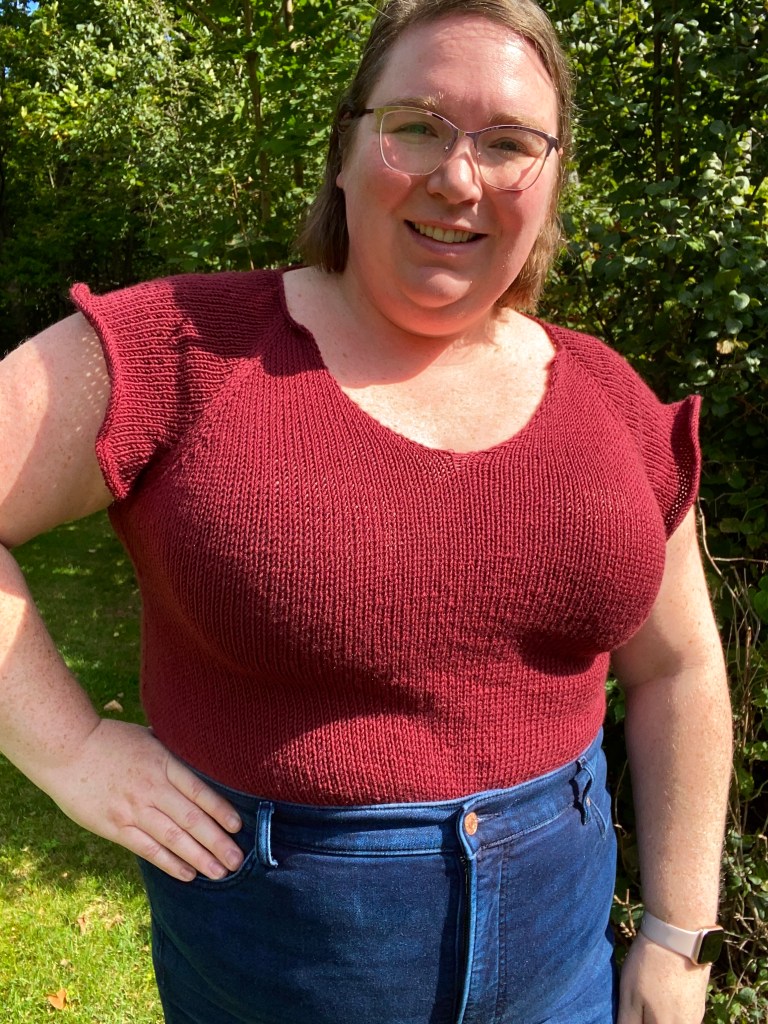
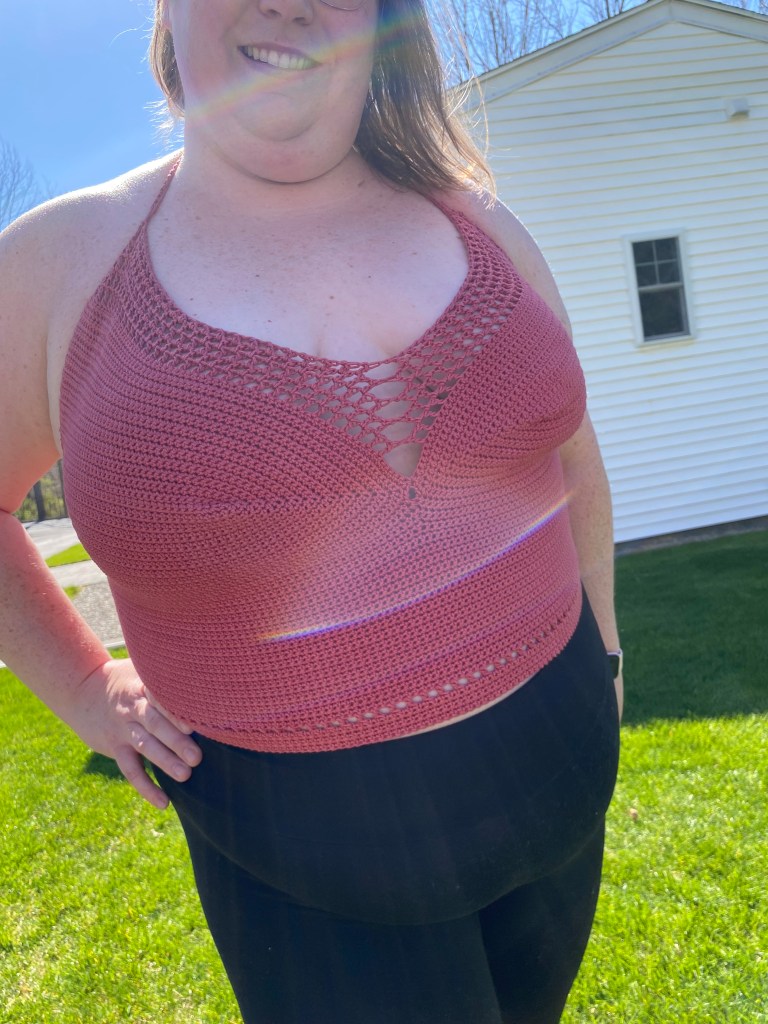
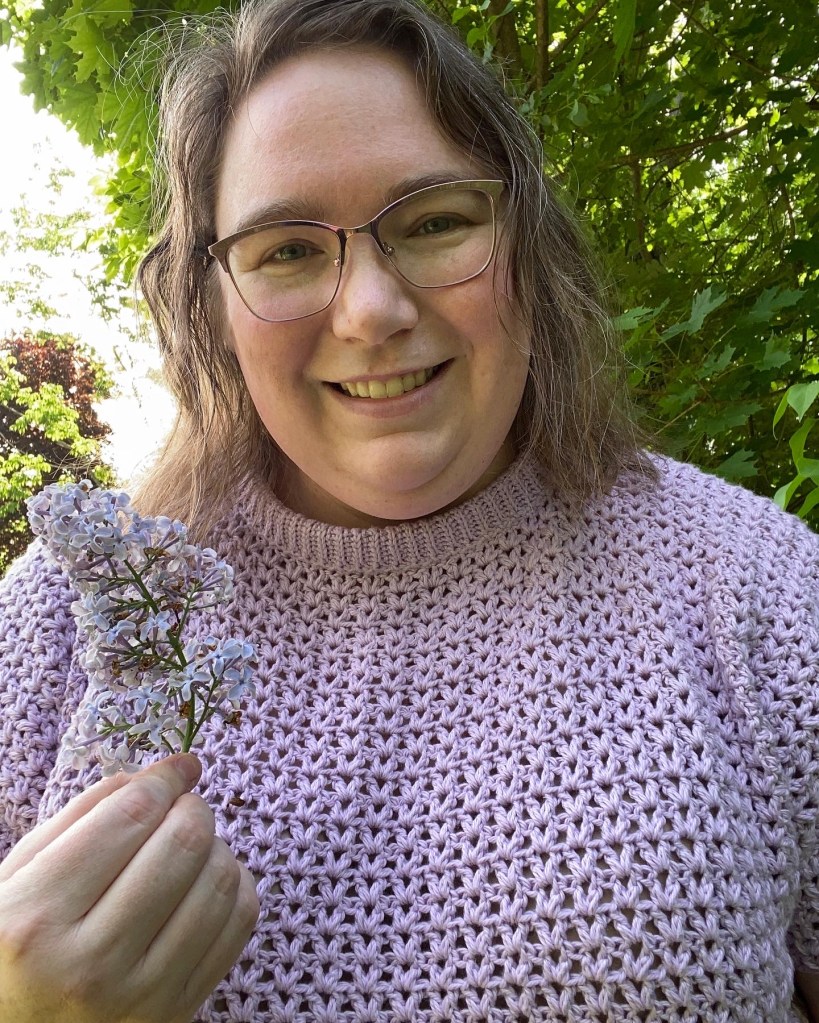

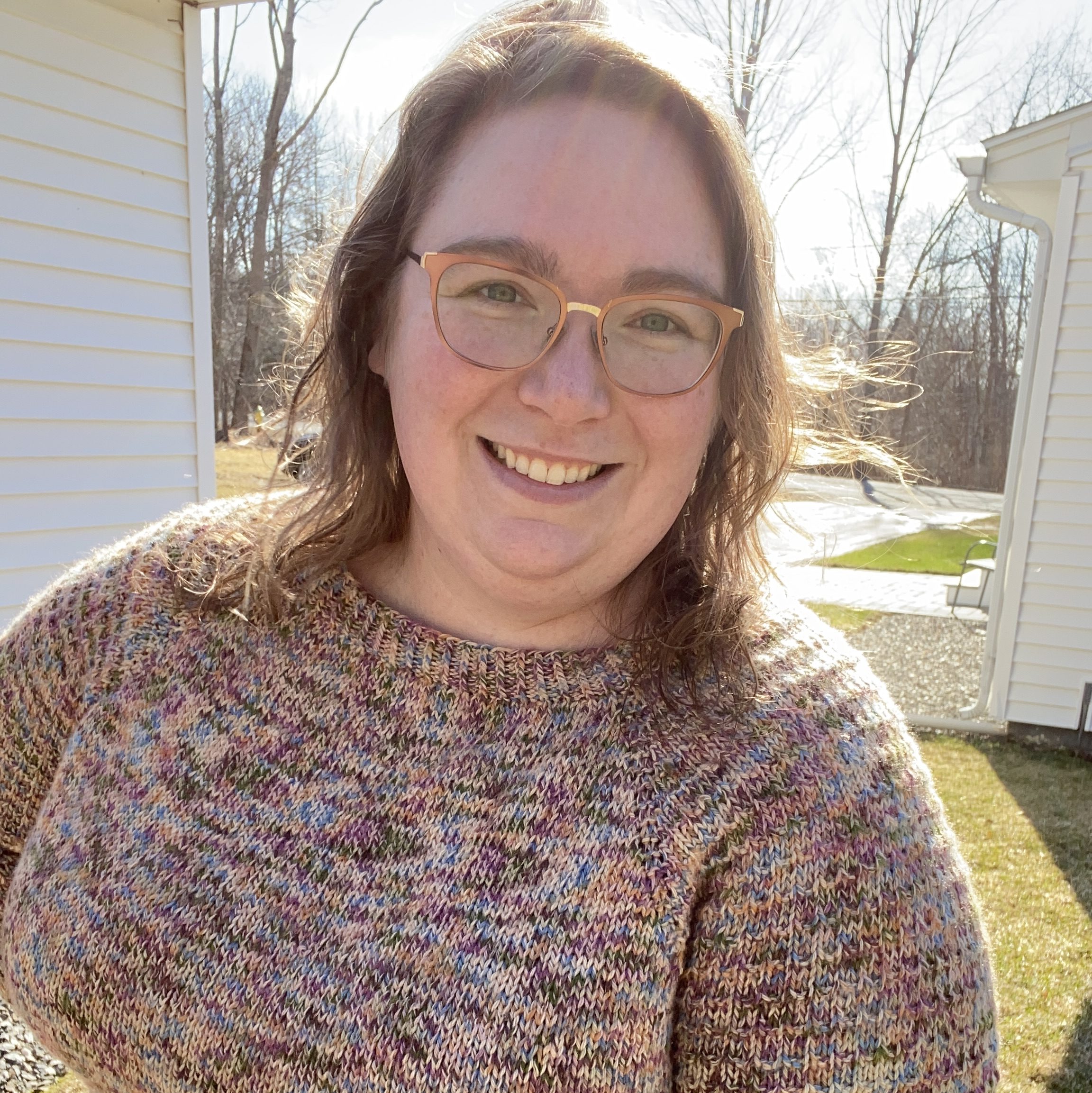
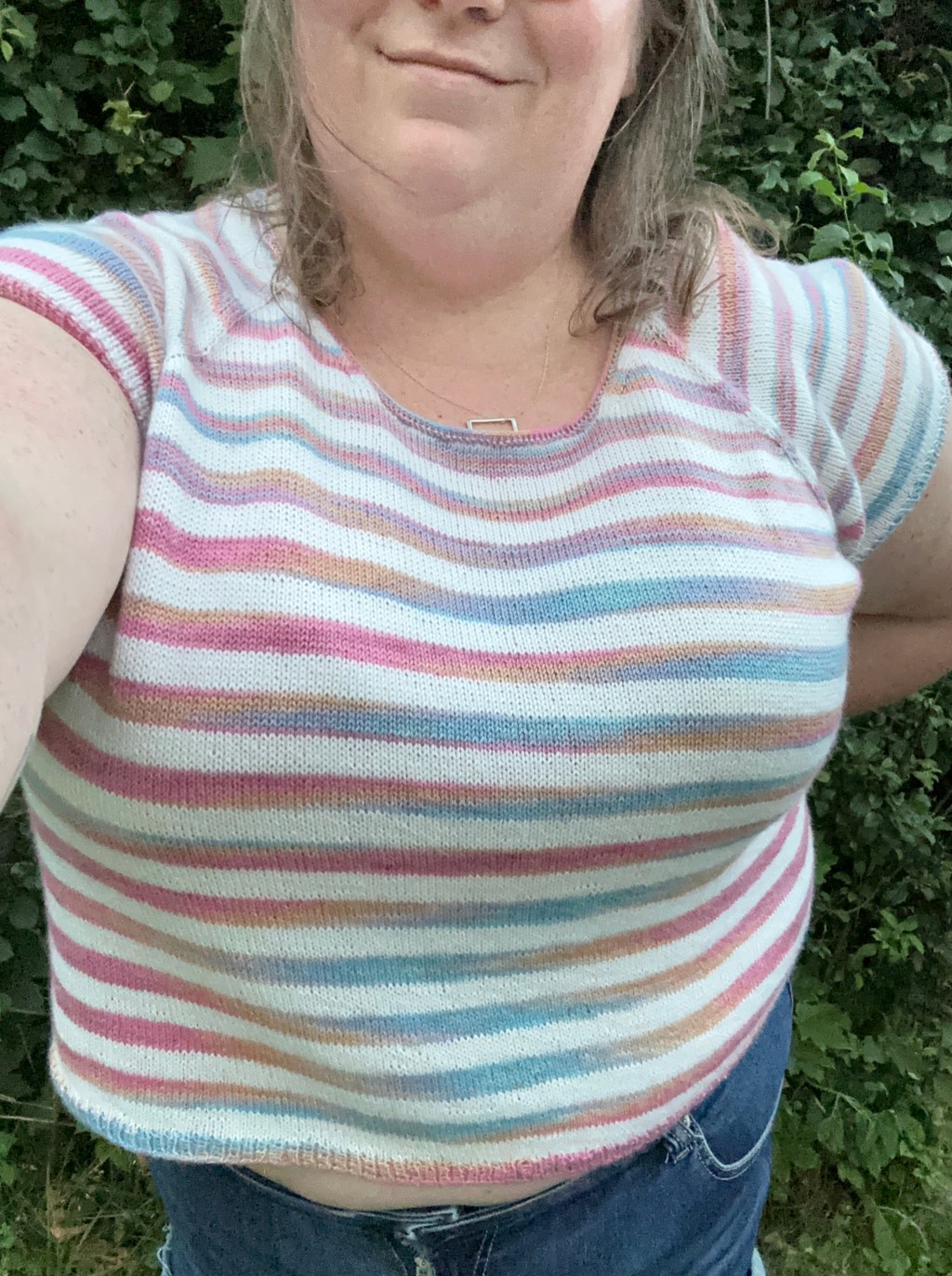
With all that being said, I’m now more particular about what I apply to test. I even go long periods without doing any tests at all. It can be really good to learn new things and gain the experience of making new items, but it can also be stressful and overwhelming. Make sure to take care of yourself, and communicate any setbacks that may interfere with your goals!

 notions by Megan
Leave a comment